
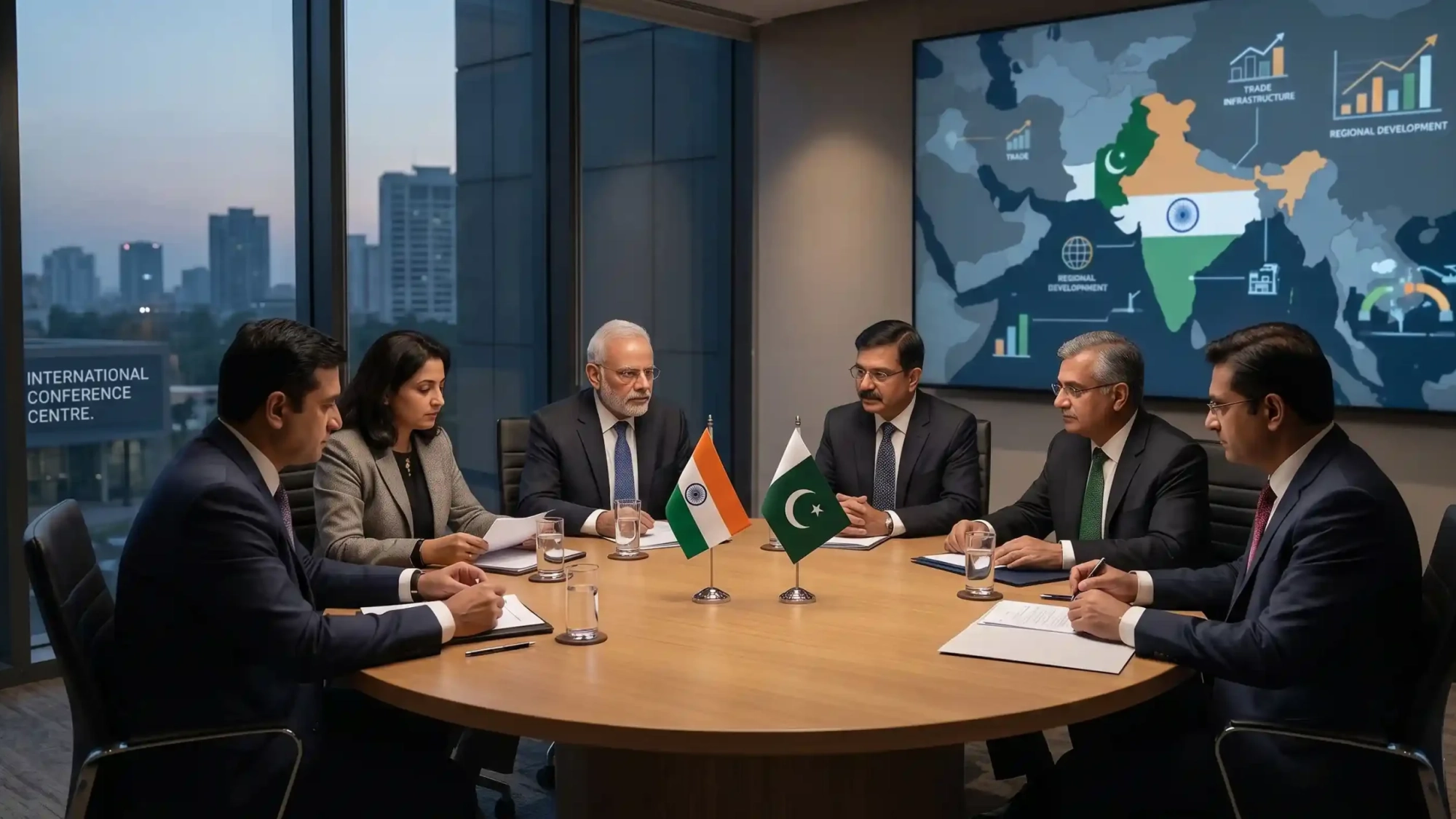
The war in the sky between India and Pakistan during the year 2025 is considered to have been among the tensest incidents in recent South Asian history. The situation was caused by the Pahalgam incident and India’s decision to launch an attack without conducting a full investigation into the event. Various estimates put the number of downed planes between six and ten, and even gained credibility among world leaders. One year later, one must ask oneself: what have India and Pakistan gained and what have they lost?
Outcomes of the Military Operation and Global Perceptions
The country had several advantages at the start of the battle because of its large population, strong economy, and large defense budget among the countries of the world. However, during the aerial battle, there were some weaknesses exhibited. Losing their best fighter jets lowered the morale of the Indian Air Force. Also, for a country that is viewed positively as a stabilizing force in the region, escalating the battle so quickly despite a lack of evidence was viewed negatively.
Pakistan had to fight back during the attack in order to defend itself. Although its military capability is smaller compared to the Indian military capabilities, it was able to retaliate against its enemy, thereby portraying itself as a powerful player in the region.
Economic Effects
In terms of consequences, the most long-lasting one may be economic. This was evidenced by the increasing economic pressure in India:
- Volatile currency: The value of the Indian rupee dropped in comparison to the American dollar as there was concern regarding money leaving the country due to volatility.
- Lack of trust: The global economy is dependent on predictability, and this was not offered by the escalation into military action.
- Opportunity cost: Money invested into the replacement of planes and the deployment of missiles would have otherwise gone toward infrastructure and technology development—elements that contributed to India’s success in the economy.
Pakistan too received benefits in terms of prestige, but was faced with economic pressures because of defense spending and increased tensions leading to lack of trade opportunities.
Public Opinion and Policy Issues
The important issue to consider is whether the people of India would call for a change in government policy. The nationalistic zeal that propels the leaders of a nation through tough times can be a double-edged sword, especially if it results in inflation and an economic slowdown. The strength of Prime Minister Modi’s rule can be called into question if such policies do not lead to economic stability and international confidence.
On the other hand, the leadership in Pakistan needs to take note of its successful military endeavors and focus on the urgent issue of ensuring economic stability.
Lessons from 2025
The 2025 conflict served to remind us that contemporary power is defined not just by weaponry but also by economic and international reputation. While India faced significant repercussions because of its rash actions, Pakistan too incurred substantial losses due to its inadequate preparation. Both countries suffered greatly in terms of missed opportunities and potential.
Looking ahead into the future of South Asia, the true winner is none other than peace itself, along with stability and development. The moral of 2025 is simple – nothing can beat sustained success.
Leave A Comment