
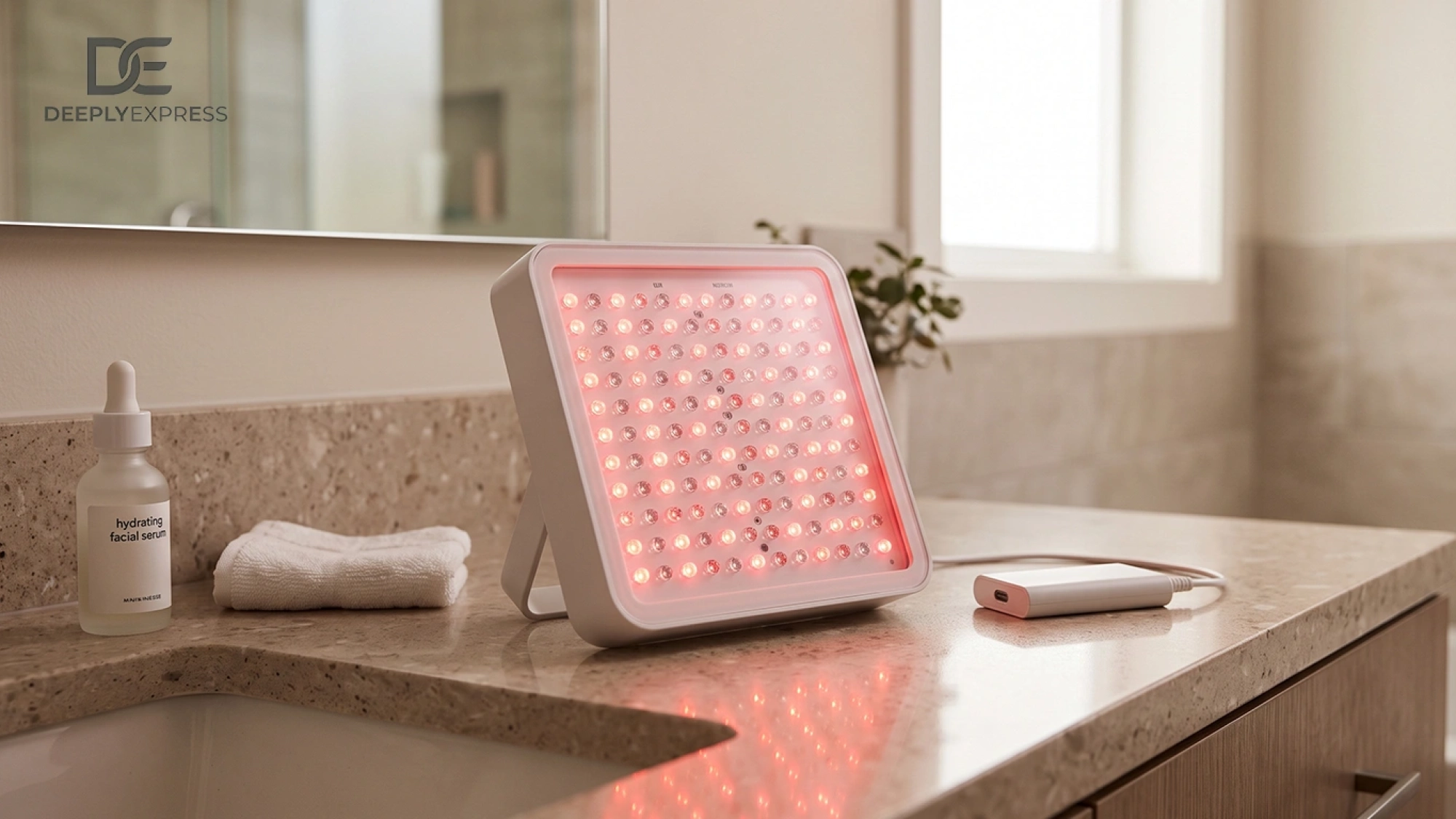
Red light therapy gadgets are making a huge splash in 2026. These devices have made their way from clinics to bathroom cabinets, with consumer units becoming available for a price that starts just under fifty pounds and goes all the way up to hundreds. They are aggressively marketed. Their claims are impressive. However, the real question is whether it works out of the clinical environment.
The answer is affirmative – though not without some important qualifications. Here is the gist of the scientific findings on the matter.
What Red Light Therapy Is All About
Red light therapy utilizes special wavelengths of light – usually 620–700nm for red light and 800–850nm for near-infrared light – to activate biological processes in skin cells. The technique originated from research conducted with NASA during experiments on growing plants in space back in the 1990s. In this case, scientists found that certain light wavelengths were speeding up biological processes.
Photobiomodulation – in other words, the absorption of light waves by mitochondria and the transformation of this energy into something usable – is one of the primary mechanisms of action in skin. As a result, more collagen is synthesized, inflammation is reduced, and cell turnover speeds up.
This is what makes this treatment stand out among other cosmetic fads. The science behind this method is well-researched and confirmed in numerous studies. For example, research published in the Journal of Photochemistry and Photobiology, as well as in Dermatologic Surgery, has shown that red and near-infrared light affects skin tissue.
Now, the real question is whether the power and wavelength of light provided by consumer products are enough to reproduce this effect.
What Clinical Evidence Supports
Red light therapy research mainly revolves around the application of the technology in professional settings, where calibrated machines are administered in controlled amounts for specified periods. These factors differ slightly from using a device bought by a consumer and applied for ten minutes before bedtime at home.
Some of the things that have been found to be true regarding red light therapy in clinical practice include:
- Reduction of fine lines and wrinkles through collagen formation
- Rapid healing of small skin wounds and acne
- Reduction of inflammation-related skin conditions such as rosacea
- Improved skin texture
Consistency is the keyword here. In most cases, more than one session a week is needed to produce any effect.
What Consumer Devices Could Potentially Achieve
There is little difference between clinical and home devices apart from irradiance and the accuracy of wavelength delivery. Generally, clinical devices are characterized by much higher irradiance than home devices, which are measured in milliwatts per square centimetre.
Still, there are some home devices available in 2026 that have been verified to deliver clinically useful wavelengths at an appropriate power output. Such devices tend to cost more than one hundred and fifty pounds. Otherwise, inexpensive devices generate only visible red light but no near-infrared radiation.
When considering which device to use, look for these features:
- Clearly stated wavelengths (red: 630nm–660nm; near-infrared: 800nm–850nm)
- Independently measured power output
- Peer-reviewed studies about the specific device
Home use of a device at the right wavelength from a good-quality product does bring results, even though these results are slower and less significant than in clinics.
Actual Results to Expect
Realistic expectations for at-home red light therapy over a twelve-week period include:
- A noticeable yet slight improvement in skin smoothness and texture
- A slight reduction in the appearance of fine lines around the eyes and mouth
- Faster healing of minor injuries or blemishes
- Some improvement in skin tone and clarity
Do not expect quick, dramatic changes like those shown in marketing images, since those are usually produced under perfect, controlled conditions.
How to Use a Device at Home
The usual procedure involves ten to twenty minute sessions performed three to five days a week. Cleanse your face before each use and avoid applying any products to the treatment area during the session, since some serums and active ingredients may interfere with the light’s effects.
Red light therapy is not recommended for active skin infections or open wounds. If you have a photosensitive disorder, consult a dermatologist before starting therapy.
For best results, combine red light therapy with an appropriate skincare routine. It works more effectively on skin that is already in good condition and well hydrated. To learn how to prepare your skin, read How to Repair Your Skin Barrier.
You may also want to check out the K-Beauty Glass Skin Routine.
Frequently Asked Questions
Is It Possible for Red Light Therapy to Damage Your Skin?
Red light therapy does not cause skin damage at the low levels present in consumer products. It does not involve any form of UV light, which is what causes damage in other light-based treatments. The main concern with extremely powerful devices is eye strain, which is why protective eyewear is recommended.
How Long Will You Be Able to See Results?
A change in your skin tone and feel can typically be seen after four to six weeks of consistent use. It usually takes eight to twelve weeks to see visible changes in lines and wrinkles.
Are Red Light Therapy Masks Superior to Panels?
Both masks and panels work effectively, as both provide simultaneous exposure to light across a wider area and are portable. Wavelength and power output matter far more than the format itself.
Is Red Light Therapy Safe to Do With Retinol?
Yes and no – red light therapy should not be done at the same time as retinol application. For example, apply retinol before bed and use red light therapy in the morning or early evening. Some skincare specialists recommend leaving a gap of several hours between the two.
Among the most credible new methods of home skincare, red light therapy stands out. It is scientifically grounded, works best with reasonable expectations, and complements an existing, good daily skincare regimen.
Leave A Comment