
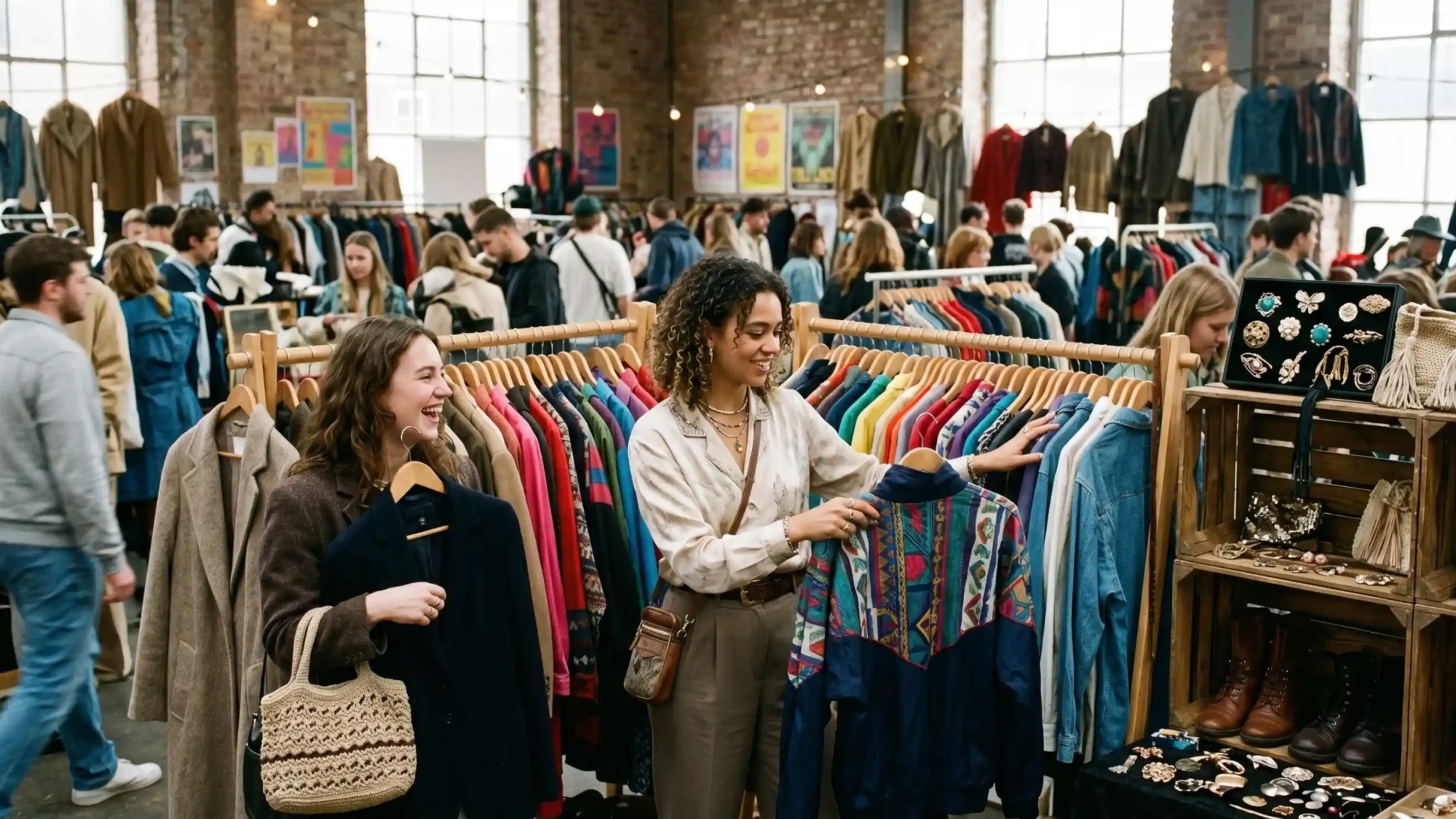
However, there was a time not so long ago when thrift shopping was something to be done in silence and never mentioned on any social gatherings. All those times have come to an end now.
Thrift shopping in 2026 is no longer considered taboo but rather a status symbol. According to Gen Zers, thrift shopping is the new status symbol. Sustainable fashion expert Elizabeth Cline once stated, “The most sustainable fashion piece is one that already exists.”
The Numbers Do Make a Difference
As reported by ThredUp’s market forecasts, the market size for resale fashion in the United States is set to rise to an estimated $82 billion in 2026, which is more than twice its worth from a few years back. In the consumer data from Bank of America Q1 2026, the number of consumers who sold secondhand apparel increased by 16%, with Gen Z making up 41% of all those engaged in secondhand fashion sales this year. The frequency of secondhand fashion purchases per home rose nine times faster than secondhand expenditures in March.
The Real Reason People Are Thrifting
Let’s get to the bottom of the reason why thrifting has gotten so popular. It is definitely not because of sustainability. According to multiple consumer studies analyzed by industry experts, consumers value thrift shopping for the following reasons, in order from most important to least important: value for money, quality, uniqueness, convenience, and sustainability.
Thrifting has always been about that unique find that makes you feel good about yourself. For example, it can be a rare vintage blazer, a real 1990s track jacket, or a luxurious silk blouse that won’t appear on anyone else at your workplace. The constant focus on niche trends in fashion, like poet core, vintage athleisure, dark academia, and old money, has made secondhand shopping a place for finding those outfits in their purest form.
Status Quo
Thrift culture has emerged as a status symbol. Thrift culture has been established through the actions of nepo babies who sport their parents’ wardrobe in editorial shoots. In Prelovedpod’s secondhand fashion predictions for 2026, Lila Moss was mentioned for borrowing from her mother Kate’s wardrobe. The idea of uniqueness and resourcefulness over newness is a sign of the times. The item that these kids borrow cannot be bought because it is not available anymore. This is the point.
Look Out For These Instead
Based on microtrend forecasting and runway trend trickle-down predictions, some items you might want to include in your secondhand thrift list in 2026 are the following: vintage brooches, vintage athletic wear, poet-core blouses, linen layering, tassel details on bags and jackets, as well as any footwear in the category of dark romance, including booties, lace-up, and those with grommet details. All of these are much easier to get secondhand than manufactured.
Price Reality
There is one hitch in this story. Prices at thrift stores have been sharply increasing since 2026. High demand, increasing operating expenses, and the presence of online resale services such as Depop, Poshmark, and ThredUp create competition on the market for top-quality items. The increase in new clothes’ prices due to tariff pressure on imported fabrics may reach up to 65%. That’s how secondhand becomes more appealing compared to newly made products; although, the margin between the two options is rapidly decreasing.
What we can do about it? Choose secondhand shopping for high-quality items made from natural fibers such as cashmere, wool, linen, silk, and leather when their prices remain substantially lower than that of their new equivalents. Choose it to find unique vintage pieces, which cannot be bought anywhere else. And choose secondhand because it’s fun!
The Digital Revolution in Thrifting
New technologies like virtual fitting rooms, which have been introduced on platforms such as Depop and many other resale websites, have helped reduce return rates for second-hand clothing by over 30 percent. So, not only will you get a trench coat made popular during World War II in Edinburgh, but it will also be fitted right before being shipped to you for the first time, rather than going back and forth between locations.
Livia Firth’s quote about sustainable fashion holds true: “Fast fashion isn’t free. Someone somewhere is paying for it.” By 2026, more consumers than ever before would opt out of being that someone.
References: Bank of America Secondhand Fashion Report, Q1 2026, ThredUp industry trends, Prelovedpod fashion forecasts, Milliegoat sustainable fashion insights.
Leave A Comment